The Church's failures and accountability · Question 5
“Missionaries arrived with the colonizers and destroyed cultures, didn't they?”
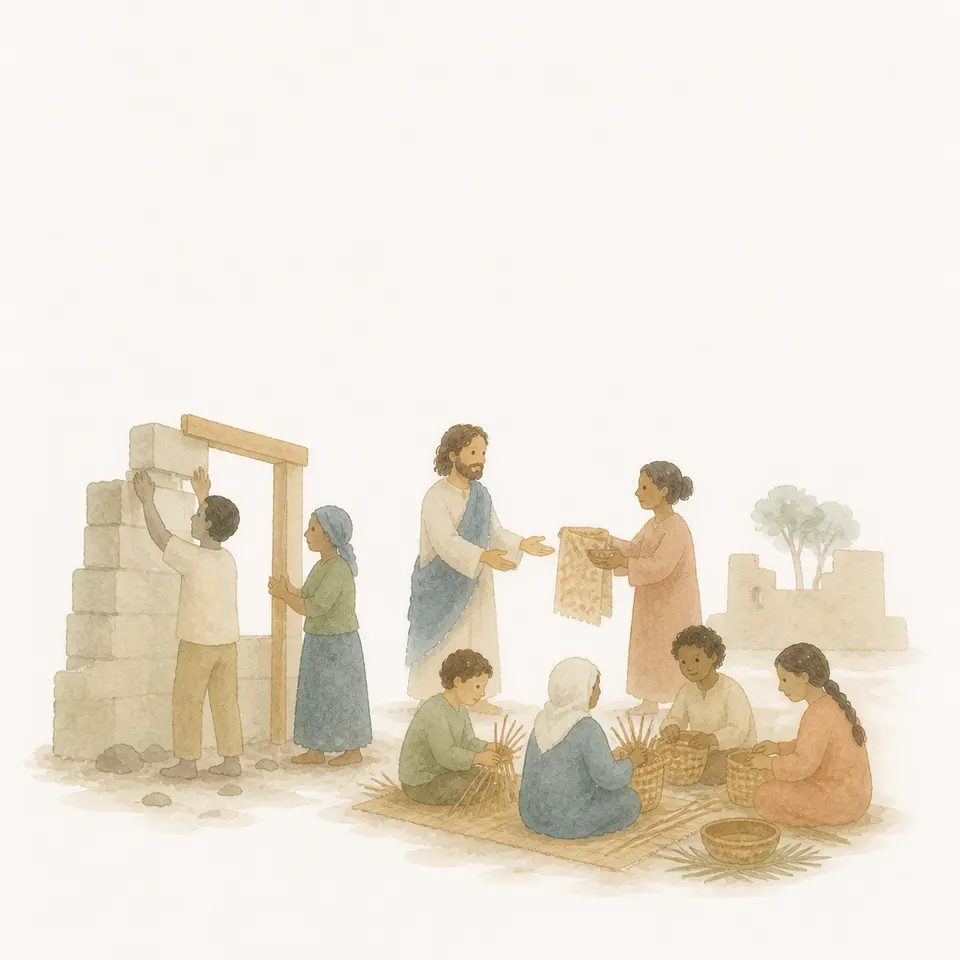
The question: “Wasn't preaching the Gospel the pretext for taking Indigenous peoples' languages, names, rituals, and land?”
First, the admission: Some missionaries and Church institutions cooperated with colonial power, or took its order for granted, and so brought about forced conversion, cultural suppression, seizure of land, and the separation of families. In residential schools and elsewhere, children were stripped of their language and their families and were abused. That there were also missionaries who defended languages and human rights does not offset this harm.
The Church's answer: The Gospel is not the property of any empire or of any national culture. We have to listen to the testimony of the communities that were harmed, open the records, admit responsibility, and support reparation, healing, and the recovery of language and culture. Mission has to respect local culture and receive what is good within it, and no form of help may ever be made a condition of conversion.
If they press further: “Does an apology give back what was taken?” — No. That is why an apology has to be accompanied by whatever reparation is possible, the return of records and of ancestral remains, the recovery work the community itself asks for, prevention of recurrence, and a long-term relationship. Nor is any victim under an obligation to accept an apology.
In one sentence: “The Church's wrongs in harming cultures, families, and land alongside colonial power have to be admitted and answered for through the truth-telling, reparation, and restoration the harmed communities ask for.”