The Commandments and moral life · Question 3
Isn't every act that breaks a commandment the same sin, no matter how big it was?
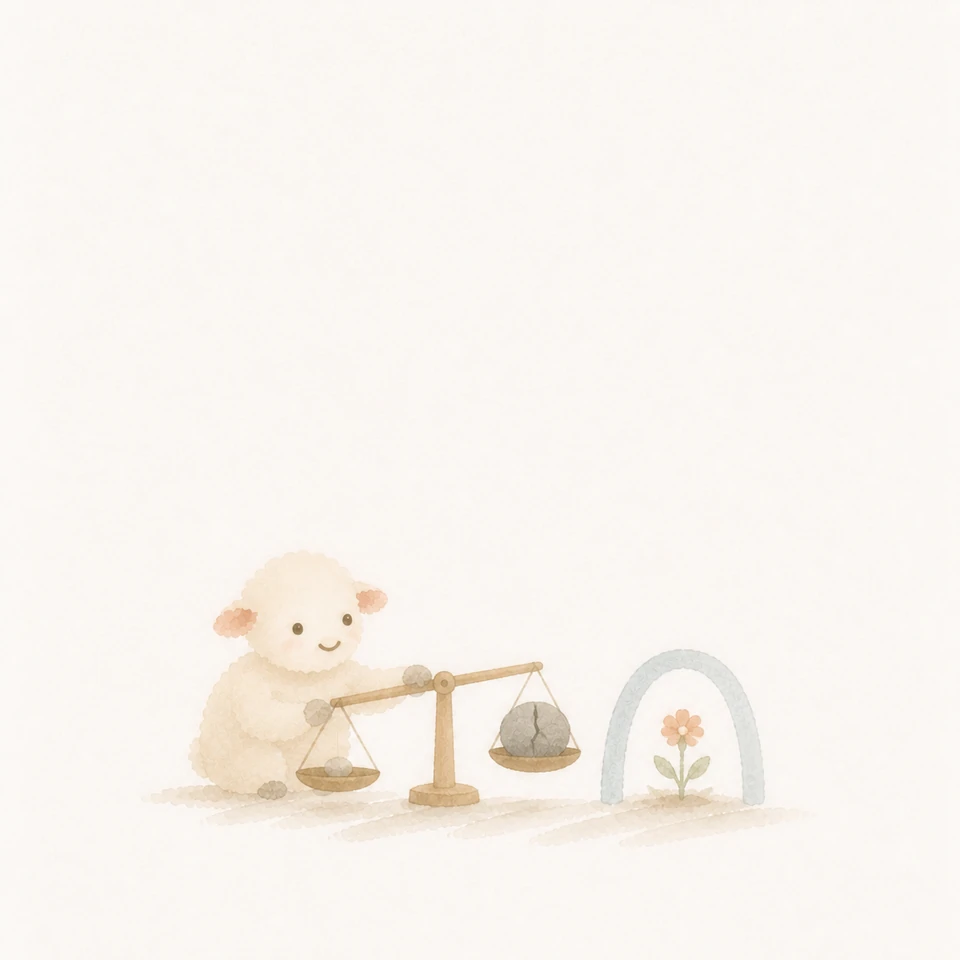
The question: “If a small lie and killing someone both break a commandment, do they get the same punishment?”
The Church's answer: Every sin wounds love toward God and neighbor, but they don't all weigh the same. You have to look at what the act was aimed at, how great the harm was, whom it injured and how it injured the common good, and the intention and the circumstances. The Catechism gives the plain example that murder is graver than theft. Even the same kind of lie differs in harm and in weight depending on whether it was a light boast or perjury that sends an innocent person to prison.
The other way round, repeating a wrong we call “small” until it becomes a habit can dull the conscience and tilt a person toward greater evil. So we neither inflate every wrong into a mortal sin and manufacture fear, nor wave it away as venial. The objective weight of an act and the subjective responsibility of the one who did it also have to be told apart. Saying what counts as a grave wrong is one thing; passing sentence that a particular person has completely cut off their relationship with God is another.
If they press further: “If I memorize a list of mortal and venial sins for each commandment, can I judge it exactly?” — a list helps you learn the basic distinctions, but it can never become an automatic calculator that erases context, intention, and the actual harm done. Learn the clear principles, form your conscience, and take the complicated cases through in detail with a pastor you can trust.
In one sentence: “Sins against the commandments don't all weigh the same. Look at what was chosen and at who was harmed and how — and still never let a small sin settle quietly into a habit.”