Faith, doubt, and science · Question 11
I only inherited it from my parents — can I call that my own faith?
The question: “I've believed since I was little, so I never actually chose it, did I?”
The Church's answer: Faith, like language, culture, and values, is something we first learn from someone else. Having received it doesn't automatically make it false, but a mature faith has to question, understand, and answer with its own freedom. Baptismal promises, too, are taken up anew again and again through a life. Parents and the community are meant to help by good example and explanation, not by force.
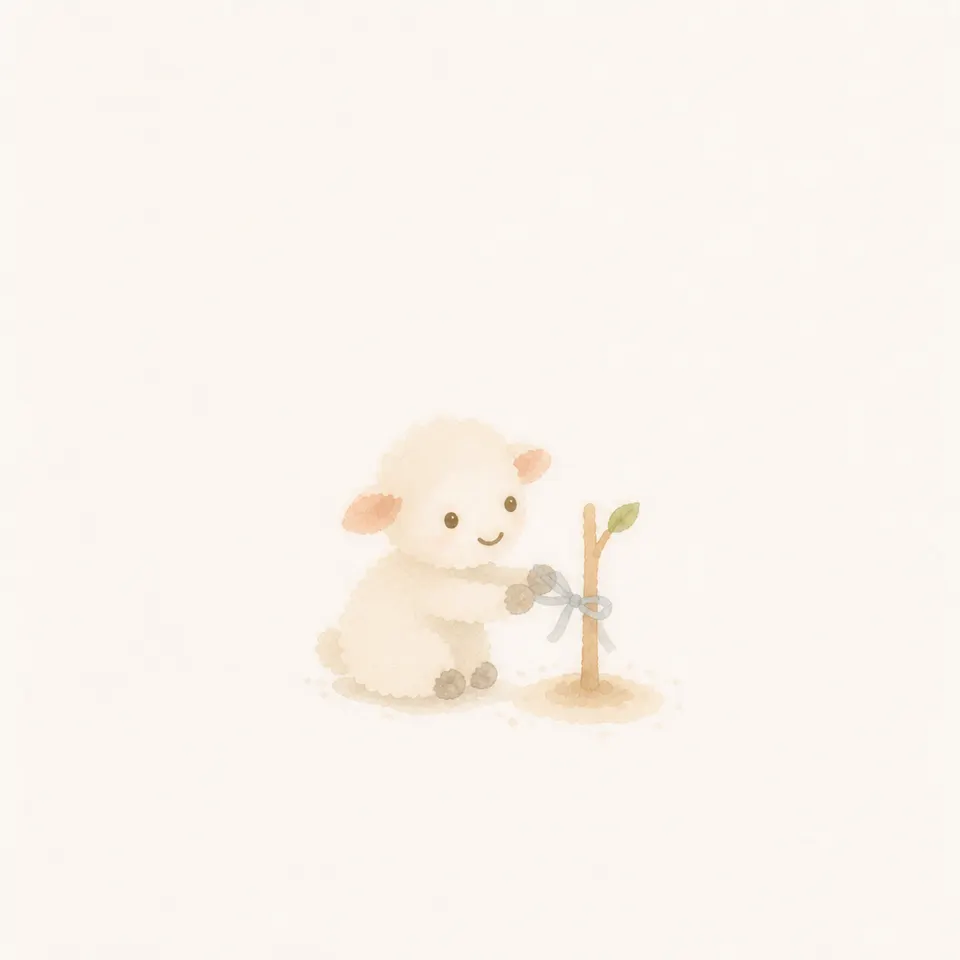
An analogy — growing an inherited sapling yourself
A family can hand you a young tree, but watching over its light and water is the grown person's share of the work. You can leave it as it is, or you can let it root deeper.
The analogy shows that a tradition received and a free response of your own are both needed. A person's faith doesn't grow automatically the way a plant does, so it is no substitute for questioning, study, and choice.
If they press further: “If I say I'm finding it hard to believe, am I betraying my family?” — naming an honest difficulty is not a betrayal. Talk it through without rushing, each respecting the other's freedom. No one can be held in the faith by insults or threats.
In one sentence: “Faith comes to you from someone else, but it's a gift you grow into the faith of your own life — questioning, understanding, and freely answering as you grow up.”